


What Are Oil-Water Separators and Why Are They Important?
Posted by ENPAC LLC on Jan 29th 2026
In industrial and stormwater management systems, keeping water clean and free of oil contamination is both an environmental and a regulatory necessity. That’s where oil-water separators come in. They are devices engineered to allow water to flow through while capturing and removing oils and hydrocarbons.
Whether you’re managing industrial wastewater, process water, or contaminated runoff, these separators help ensure that discharged water meets environmental standards and protects ecosystems.
What Is an Oil-Water Separator?
An oil-water separator is a system designed to filter and separate oil out of water, allowing water to flow through while trapping oil contaminants. ENPAC’s oil-water separators use Oil-Absorbing Spilltration® technology engineered to remove oily sheens and related pollutants from water.
These separators are used in many settings, including:
- industrial wastewater treatment
- stormwater management systems
- process water handling
- areas where runoff might contain fuel or lubricants
How Oil-Water Separators Work
Most oil-water separator systems rely on filtration media or absorbent materials that selectively attract and retain oil while allowing water to pass through. Because oil is less dense than water, it naturally rises and separates as the wastewater flows through the system.
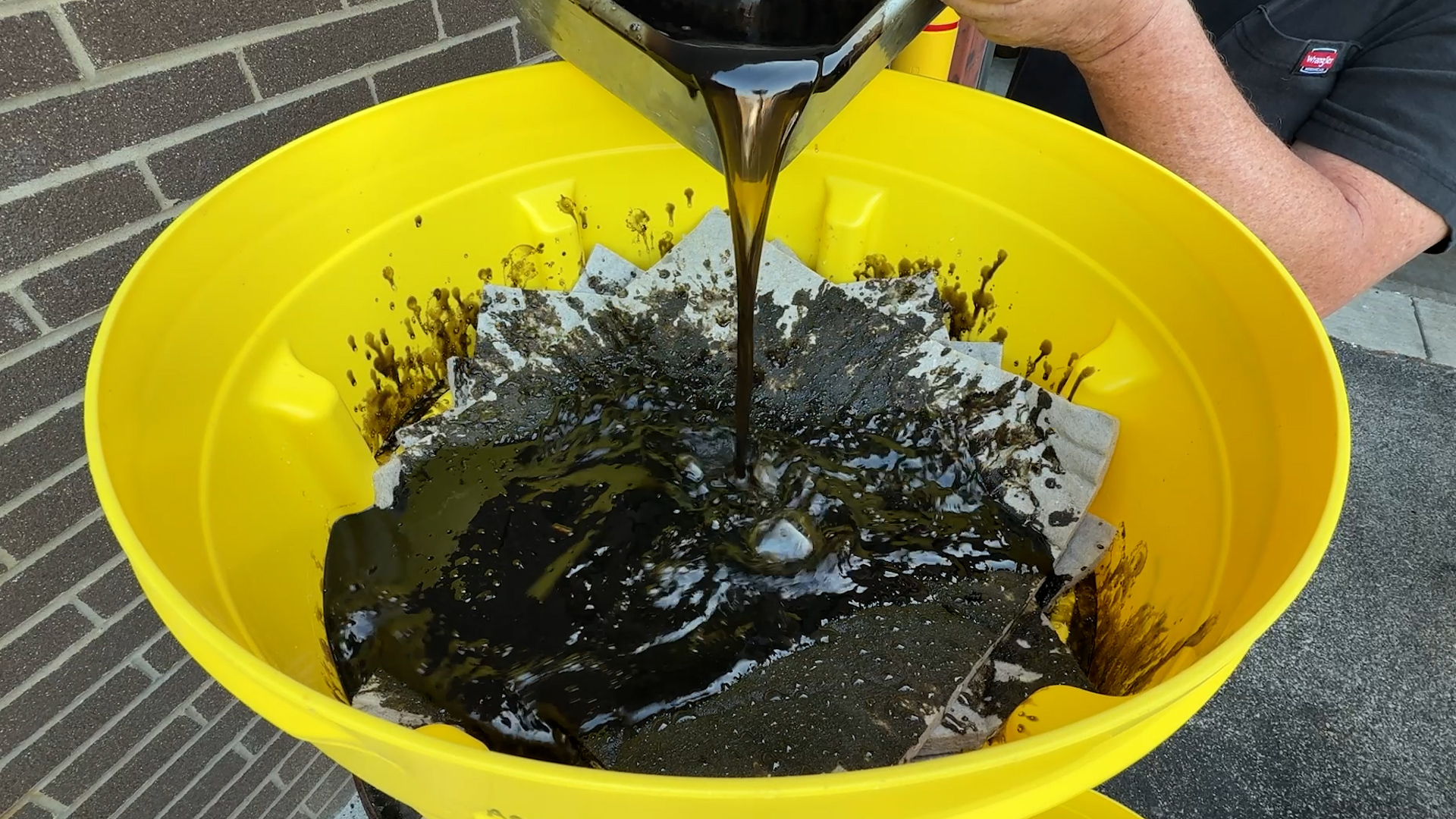
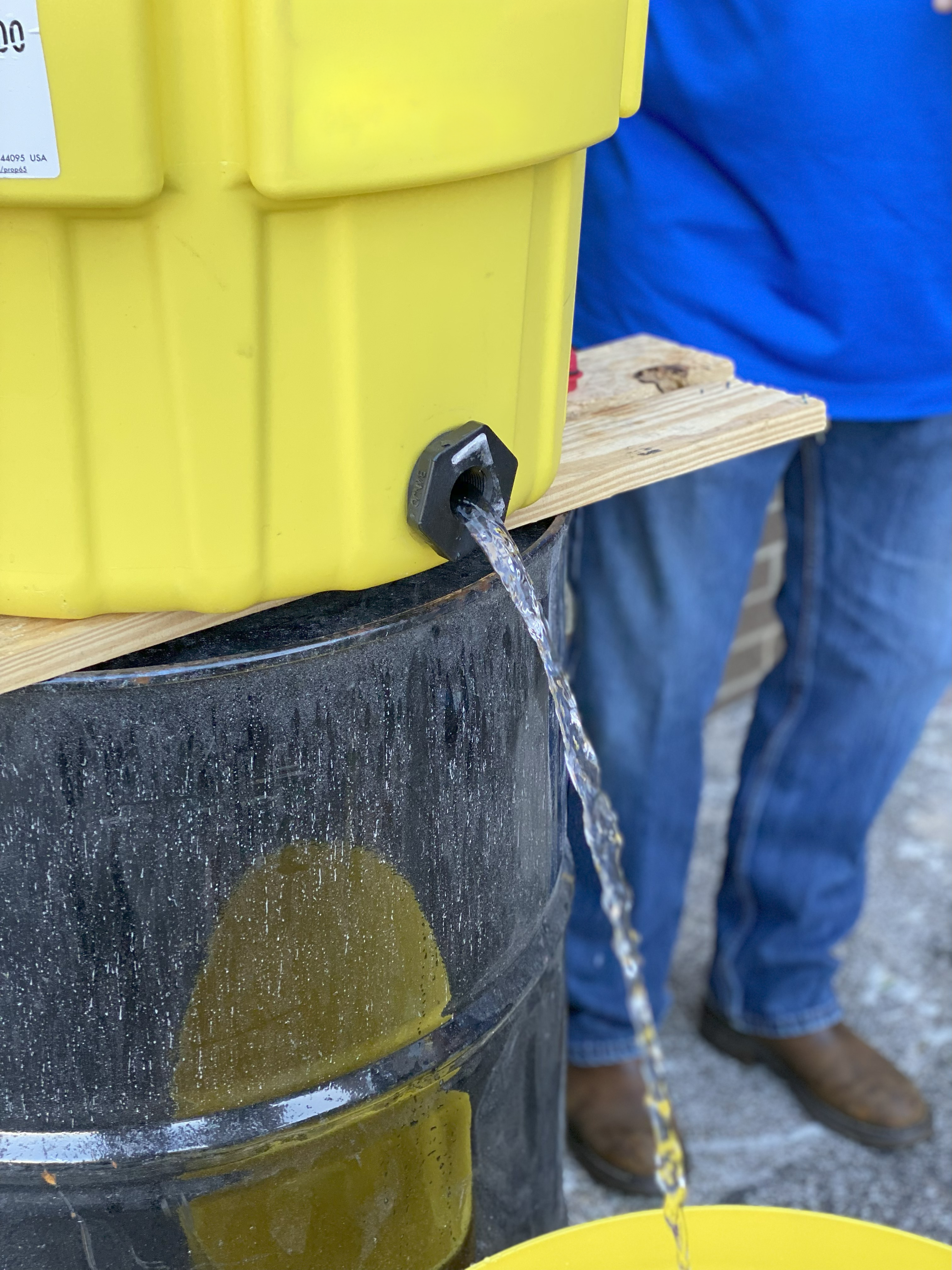

Key separation mechanisms include:
- Gravity and density differences: Since oil has a lower density than water, oil rises to the surface of a separator container.
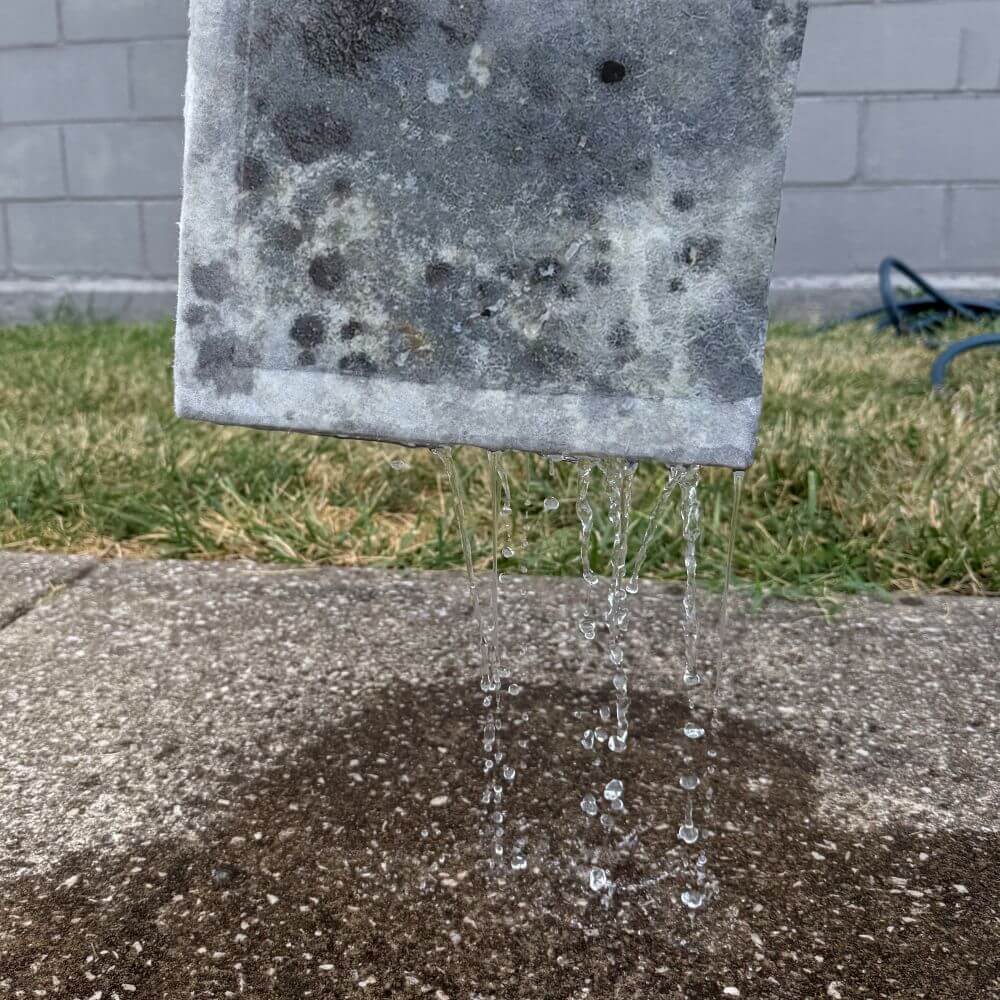
- Filtration Material: Specialized materials, such as Spilltration® pads use in ENPAC systems, are oleophilic (oil-loving) and attract oil while repelling water, physically retaining oil particles as water flows through.
- Absorption layers: Dense absorbent pads or filters trap small droplets of oil that might otherwise escape conventional gravity separation.
These combined mechanisms ensure effective removal of oil, sediment, and debris so that cleaner water is released.
ENPAC’s Oil-Water Separation Products
ENPAC products, such as the Water Scrubber, provide a practical and efficient solution for separating oil from water in industrial applications.
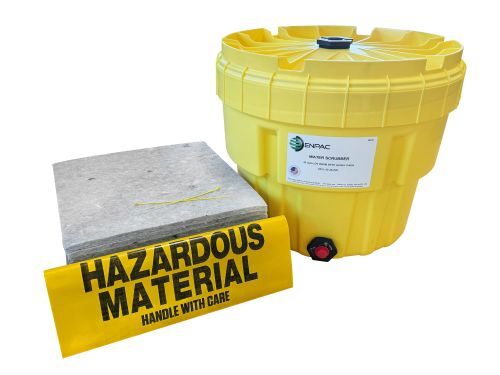
The Water Scrubber system includes:
- A 20-gallon drum to hold the water, oils and absorbents
- Oil-absorbing Spilltration® pads designed to attract oil and hydrocarbons
- Customizable fittings (up to 3.5” diameter) for hoses or piping with a standard 1” NPT fitting
- Optional oil-absorbing packets for additional absorption capacity
- Optional zero-release version available
- Refill kits to replace spent absorbents as needed
These separators are especially suited for low-volume industrial applications and stormwater runoff where oil sheens may be present but traditional wastewater infrastructure isn’t available.
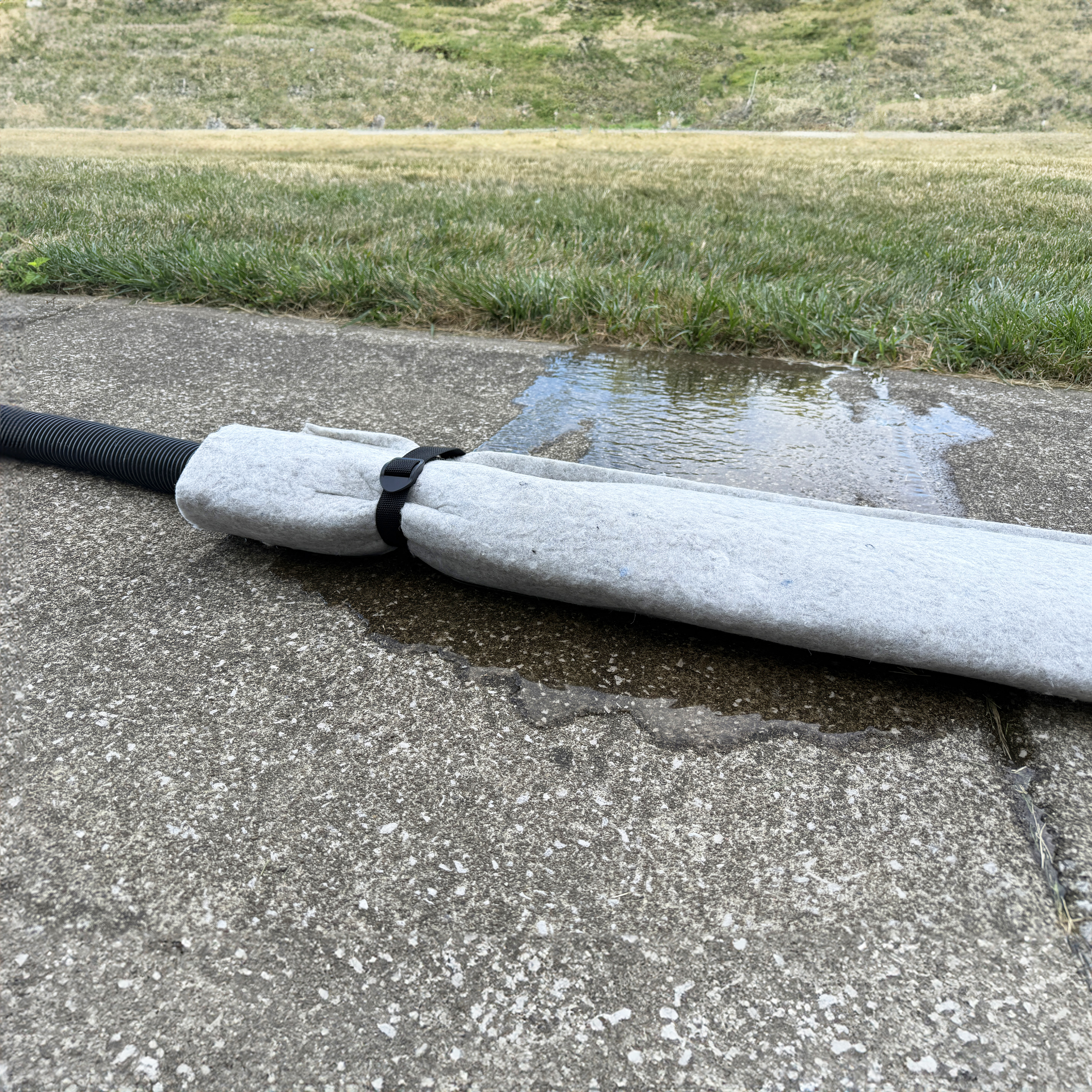
Along with the Water Scrubber, ENPAC also offers an oil-absorbing pipe filter sock. This sock is designed to attach to pipes and hoses and easily catch the oils as water flows through. It can filter sediment, debris and oils down to 53 microns.
Why Use Oil-Water Separators?
Oil-water separators deliver multiple benefits:
- Environmental Protection
Oil contamination in natural water bodies can harm aquatic life, reduce oxygen levels, and damage ecosystems. By removing oil before it hits our rivers, lakes, and oceans, separators help protect the environment.
- Regulatory Compliance
Many regions have strict limits on oil content in water released from industrial sites or stormwater outlets. Separators help facilities meet those legal and environmental standards, avoiding large fines and legal risk.
- Cleaner Operations
Reducing oil and sediment in wastewater prevents downstream pump clogs and reduces maintenance on equipment, pipelines, and treatment systems.
- Cost Efficiency
Efficient separation often means lower treatment costs. Regular maintenance of separators also extends equipment life and reduces downtime.
Best Practices for Oil-Water Separator Use
To get the most from your oil-water separator:
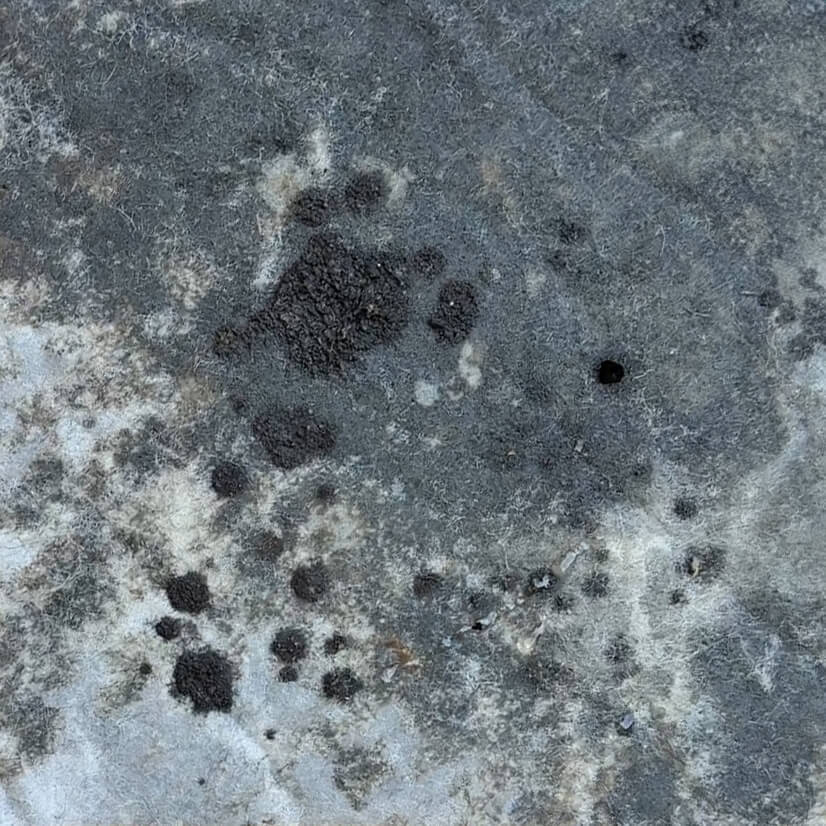
- Monitor absorbent life regularly, replace the absorbent pads when saturated.
- Inspect inlet and outlet areas to ensure free flow of water and prevent bypass.
- Use appropriate accessories, such as pipe filter socks, to capture fine sediments.
- Follow disposal regulations for used oil-saturated absorbents to minimize environmental impact and legal liabilities.
Conclusion
Oil-water separators play a crucial role in modern wastewater and stormwater management. They not only remove harmful oil contaminants but also help industries maintain regulatory compliance and safeguard the environment. Whether you’re managing runoff at a work site or treating industrial process water, an effective separator system is a key part of responsible environmental safety.
Contact ENPAC at info@enpac.com for any questions or a quote today!