

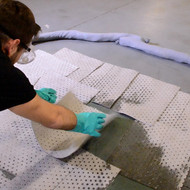
Take the Stress Out of Cleanup—Choose the Right Absorbents Before the Spill
Posted by ENPAC LLC on Mar 23rd 2026
Make Spill Cleanup Easier: Choose the Right Absorbents
When it comes to spill control, choosing the right absorbent is just as important as having a spill kit on hand. The right product minimizes downtime, improves safety, and keeps your facility compliant. When considering ENPAC absorbents, here’s a practical guide to help select the best option for your application.
Type of Liquid Absorption
First, identify the liquid(s) on hand as this will determine the required absorbent type for a spill. There are three types of absorbents that should be considered:
- Universal or General Purpose
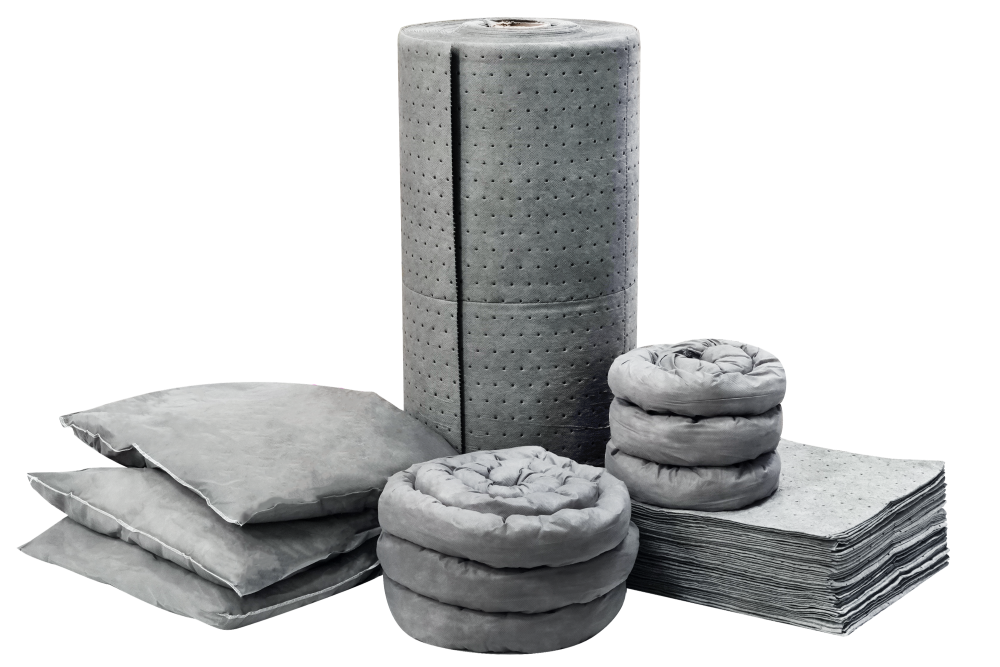
- Color: Gray
- Best for a wide range of liquids. They can absorb water and/or oil-based liquids. Universal absorbents are versatile and cost-effective for everyday spill control.
- Commonly used in manufacturing plants, maintenance shops, and warehouses.
- Oil-Only
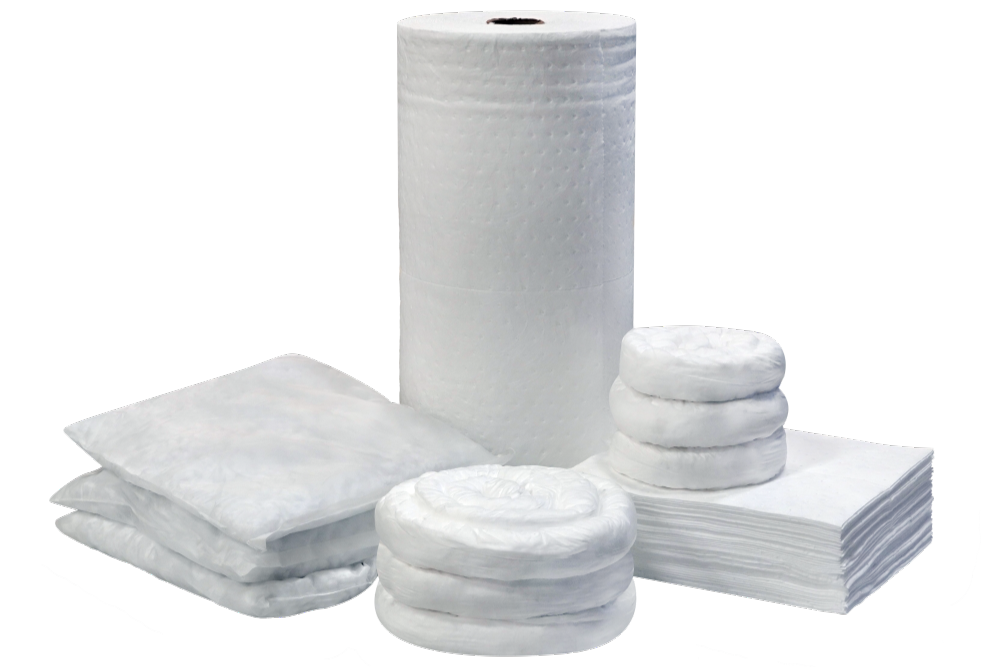
- Color: White
- Best for oil-based liquids including gasoline, diesel, and hydraulic fluid. They absorb oil while repelling water, making them ideal for cleaning up oil outdoors.
- Commonly used for marine settings, outdoor maintenance, and stormwater areas.
- Aggressive or HazMat
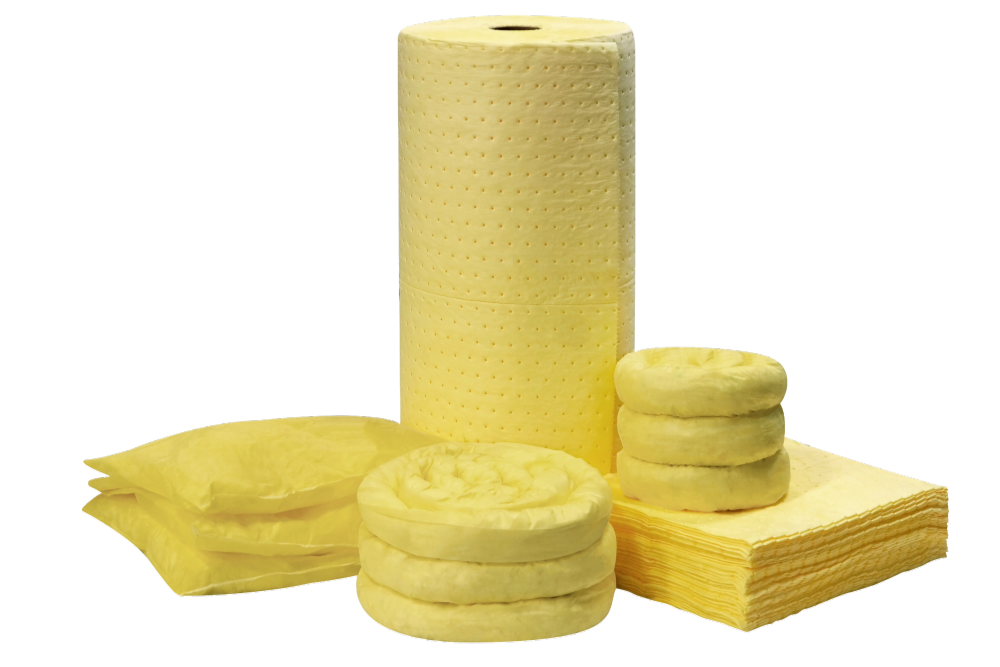
- Color: Yellow
- Best for unknown chemicals, acids or corrosives. The high-visibility sorbent alerts those around that there is a hazardous or unknown spill.
- Commonly used in labs, chemical plants, or used in emergency response equipment.
Choose the Right Form
ENPAC offers a variety of absorbent styles for almost every application. Absorbents can be used separately or together (like in spill kits) to avoid the spread of spills and ensure optimal clean up.
If your facility experiences frequent minor leaks, pads and rolls may be most economical. For larger equipment or drum storage areas, socks, pillows, or blankets may provide better containment capacity.
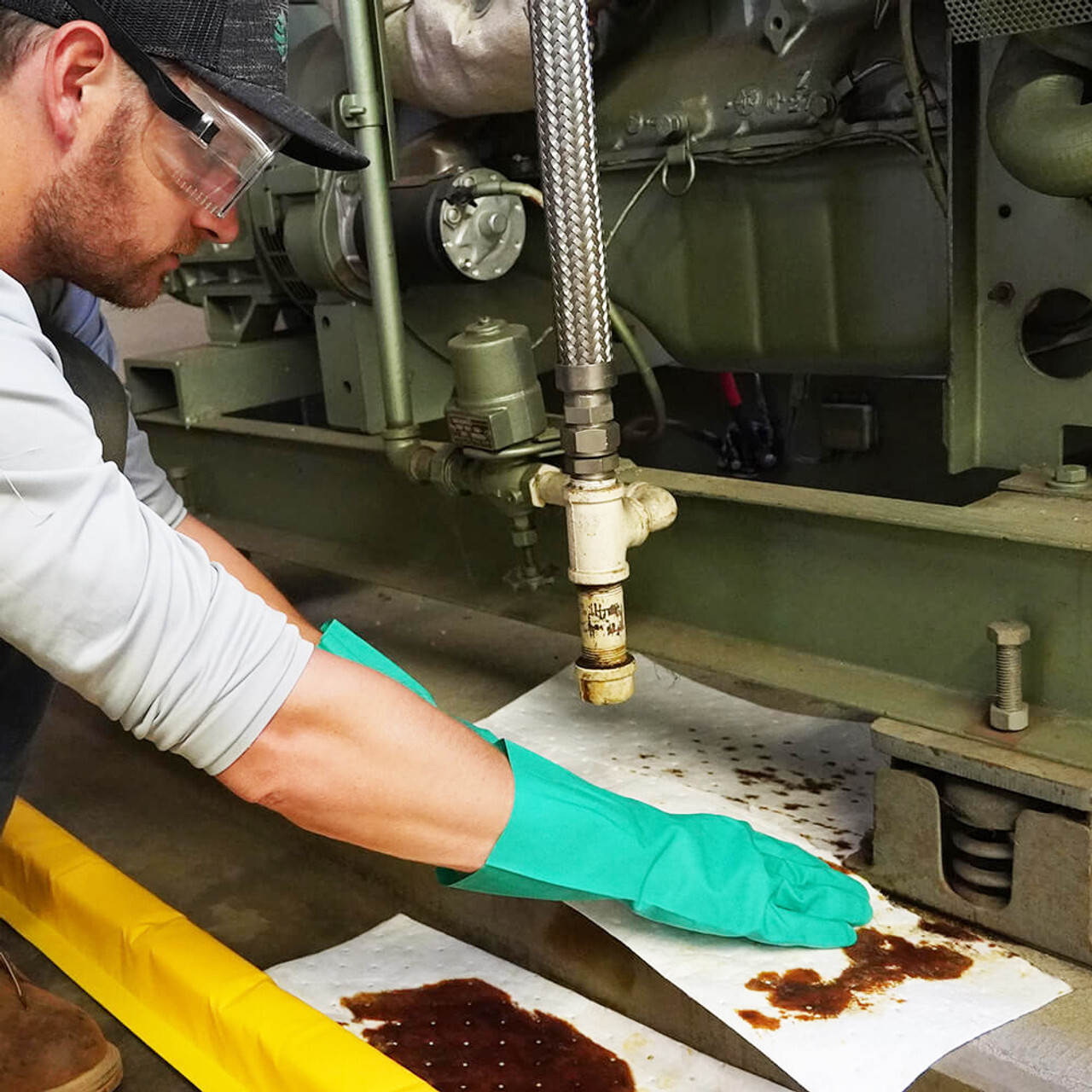
Pads – Ideal for quick, small spills and routine drips. ENPAC also offers drum top pads for 55-gallon drums.
- Meltblown – Standard absorbent pad. Most effective when placed on a spill (land or water) and left to absorb.
- Bonded – Added strength for wiping applications. A great general-purpose option.
- Fine Fiber – Comparable strength and absorption. Dense fibers provide traction for high foot traffic areas.
- Laminated or Spunbond – Added cover layers provide maximum strength and absorption. Lint-free for wiping applications.
The Weight of Pads Affects Absorbent Capacity - In addition to the construction of the the pad, the “weight” of the pad will determine how much it will absorb. Look for:
- Lightweight (economy) – Cost-effective for small, frequent spills.
- Medium-weight – Balanced performance and durability.
- Heavyweight – Maximum absorbency and durability for demanding applications.
Higher weight products typically absorb more liquid per square foot and resist tearing during cleanup.
Rolls – Great for covering larger surface areas.
Socks – Used to contain and prevent spills from spreading.
Pillows – High-capacity absorption for larger leaks.
Booms – Designed for on or near the water to absorb oil.
Hose Wraps and Bibbs – Quickly mend hoses while absorbing liquids as a temporary patch.
Blankets – Catch leaks from vehicles or catch drips while fueling.
ENPAC also offers granular options, ENSORB®, PetroGuard®, and Imbiber Beads®, to solidify leaks and spills. Simply pour the granular absorbent onto the spilled liquid and watch as it absorbs, turning the liquid into a solid making it easy to clean up.
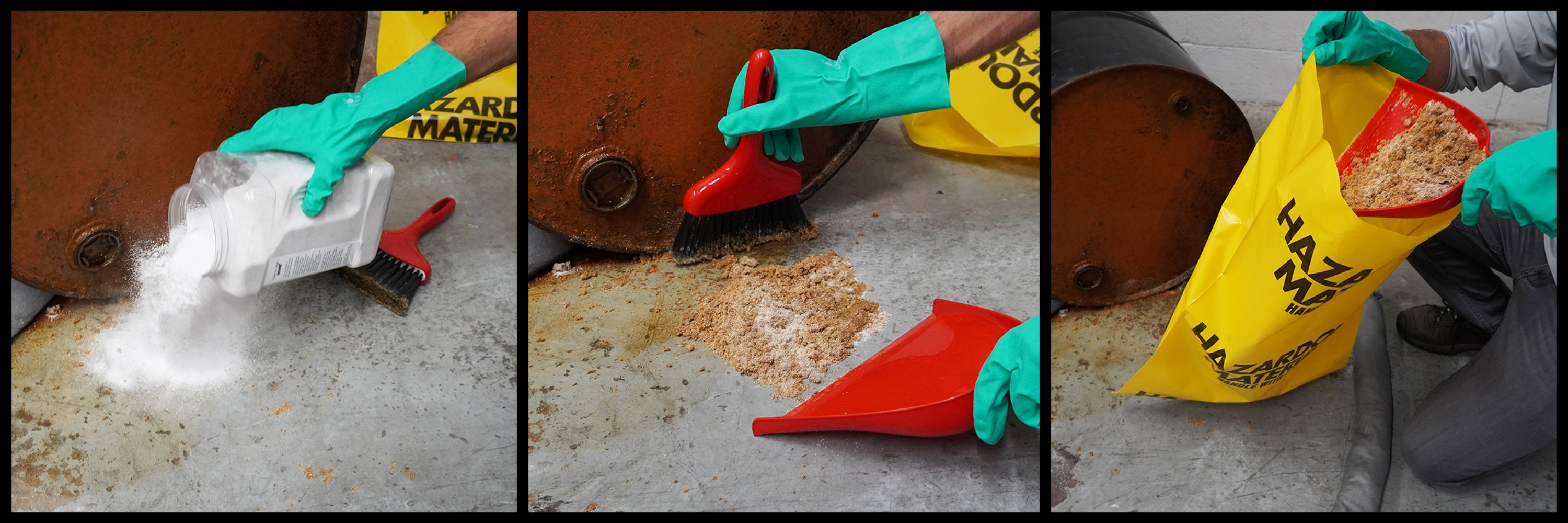
- ENSORB® – This super absorbent absorbs and encapsulates liquids of any viscosity. It is lightweight, environmentally friendly, and landfill safe. Learn more about ENSORB® in this blog post.
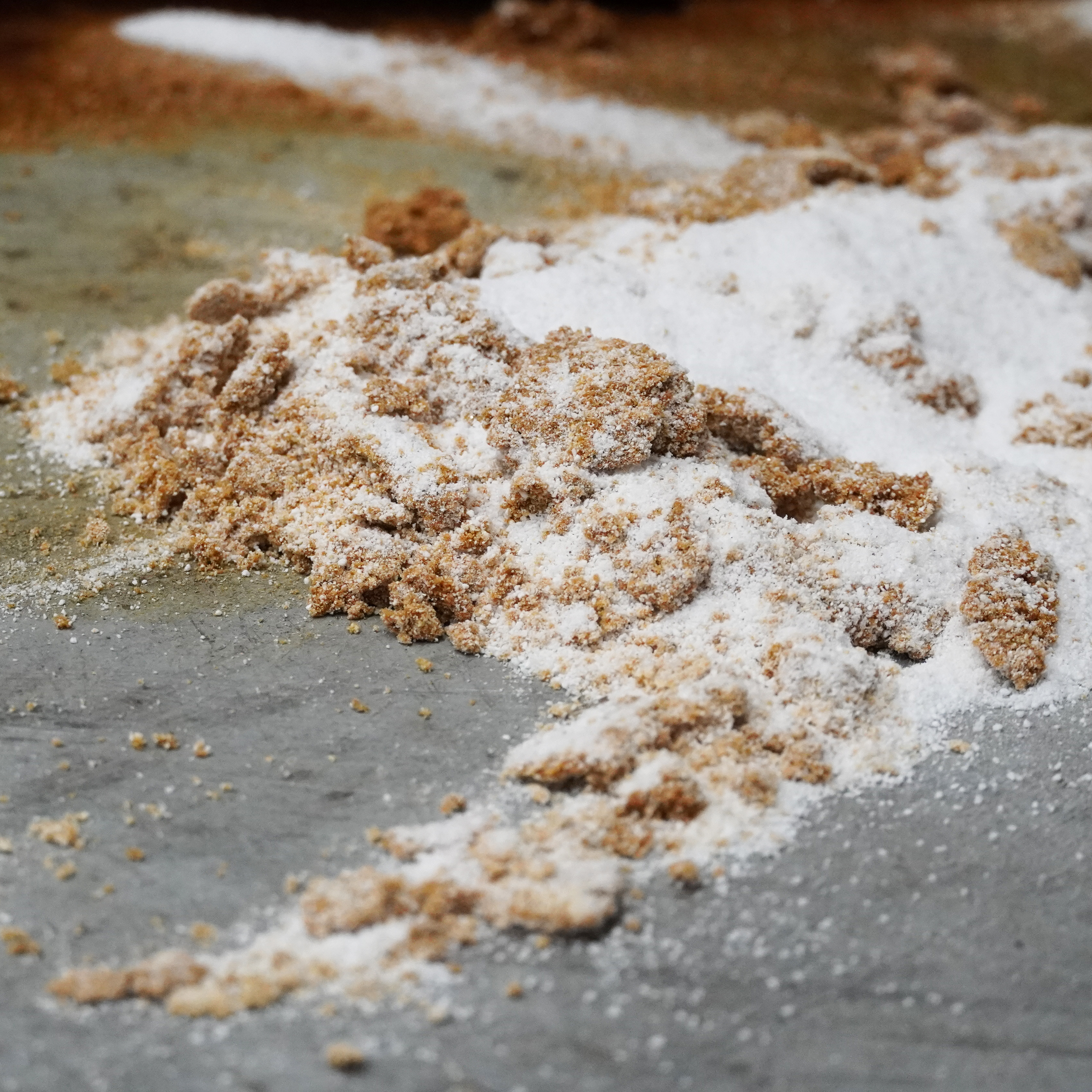
- PetroGuard® – This hydrophobic product makes it an optimal choice when working with oils and chemicals floating on water. PetroGuard® encapsulates and absorbs rapidly which becomes important when dealing with reactive chemicals. Learn more about PetroGuard® in this blog post.
- Imbiber Beads® – These beads absorb and hold onto organic hydrocarbons. They have a color changing feature that indicates the presence of hazardous materials in a system. With a wide variety of options, Imbiber Beads® are a versatile solution for any containment scenario.
Evaluate Compliance & Storage Needs
Depending on your industry, compliance with OSHA, EPA, and local regulations may require specific spill control measures. Selecting ENPAC absorbents that align with your spill response plan helps ensure regulatory readiness.
Also consider:
- Available storage space
- Accessibility during emergencies
- Whether absorbents should be included in pre-packaged spill kits
Match Absorbents to Spill Kits
Many facilities pair ENPAC absorbents with salvage drums, cabinets kits, or mobile spill carts for complete spill response solutions. Learn how to choose the right spill kit for your facility here.
If you are building or updating spill kits:
- Choose absorbents based on your most common risk.
- Ensure total absorbency capacity exceeds potential spill volume.
- Include proper PPE when handling hazardous materials.
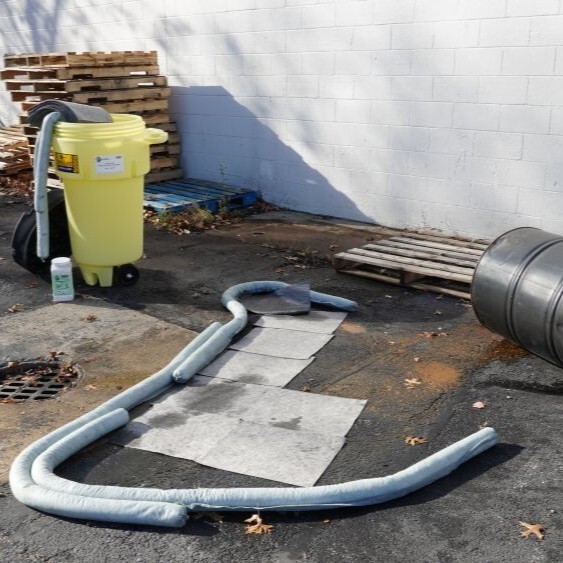
Selecting the right ENPAC absorbents isn’t just about cleaning spills, it’s about improving workplace safety, minimizing downtime, and protecting the environment. Confidently choose the right absorbent(s) by taking time to assess your potential risks to keep you operation protected and prepared.
Contact ENPAC at info@enpac.com for any questions or a quote today!